





感謝大家支持,開設26週年WWW.PUNCHBROTHERSTOUR.THECHAINSMOKERSTOURDATES.COM 創業慶
WWW.PUNCHBROTHERSTOUR.THECHAINSMOKERSTOURDATES.COM
詳細請見這裡



 配送


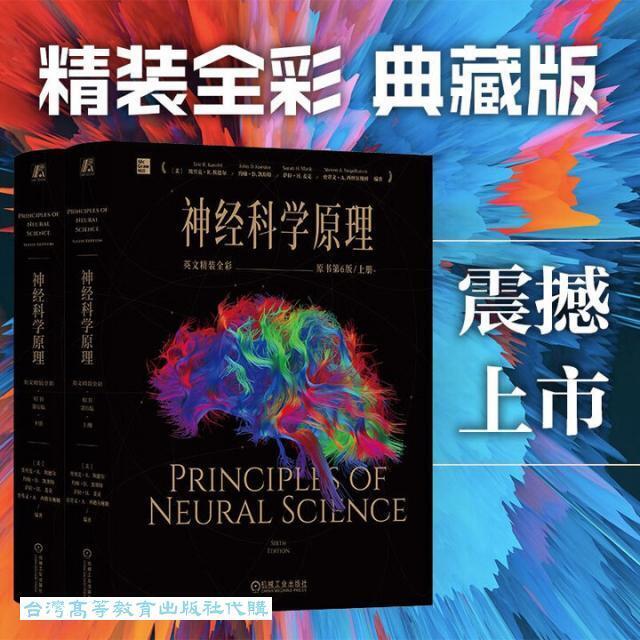
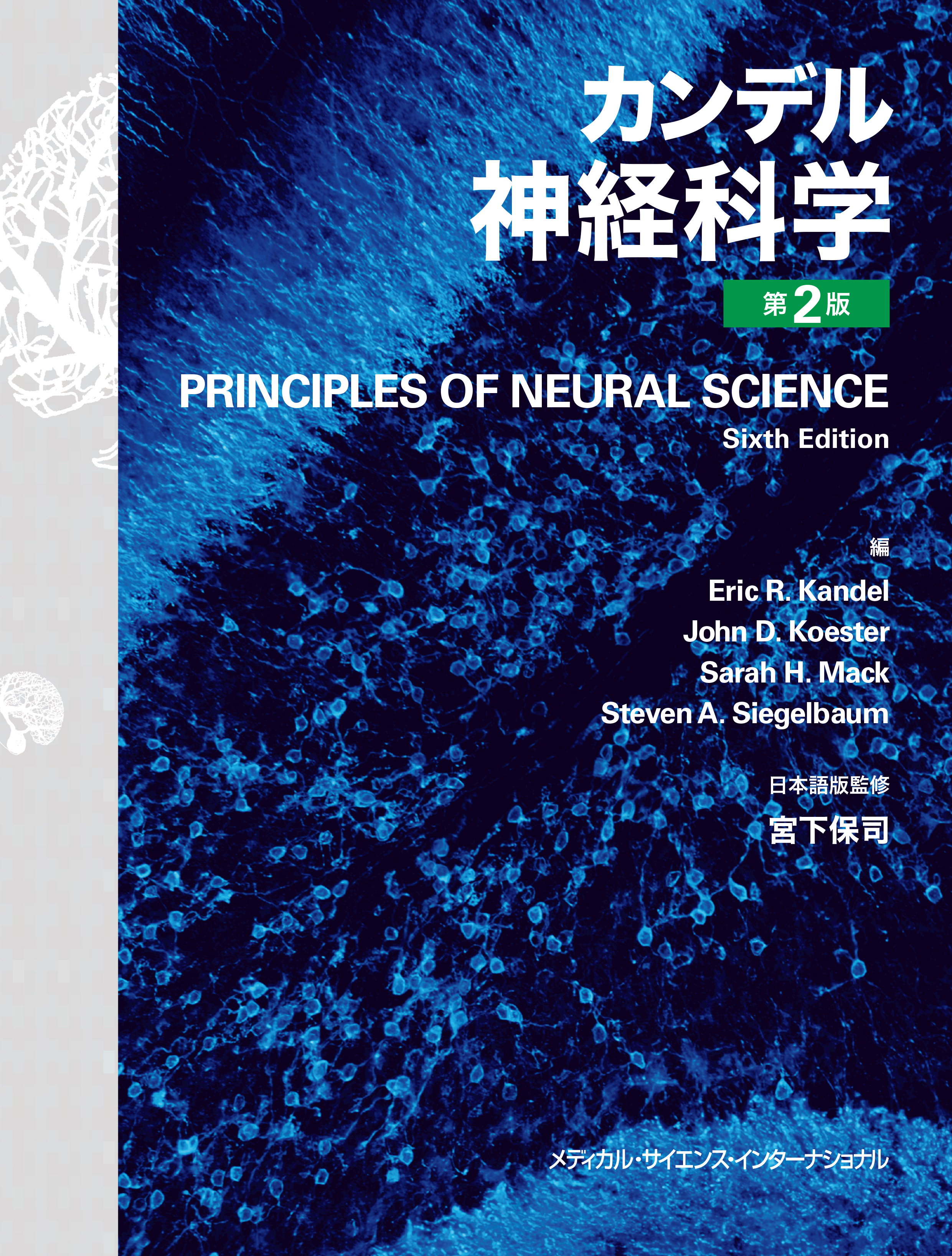
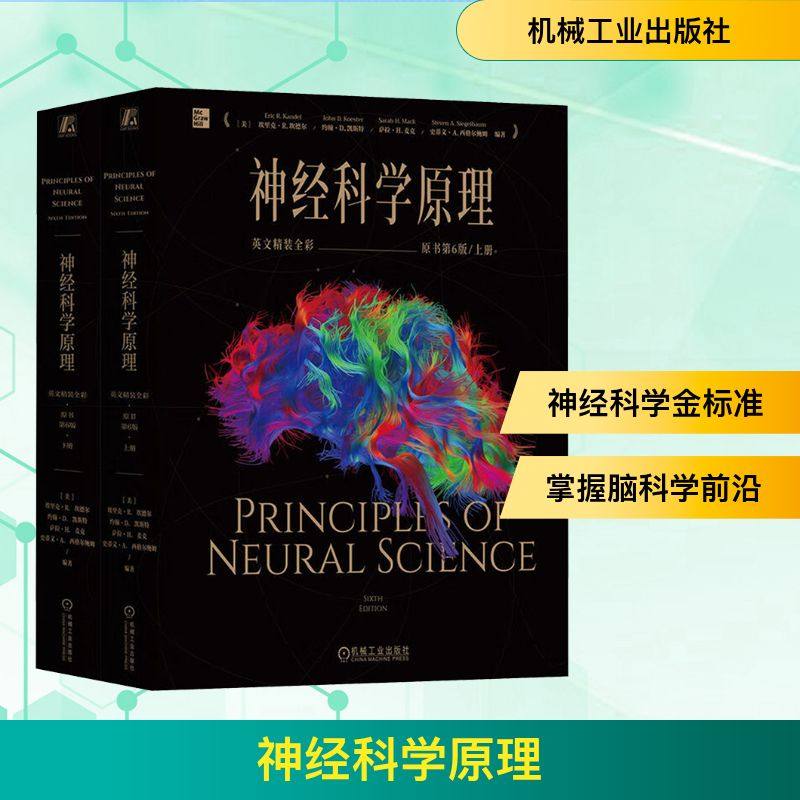
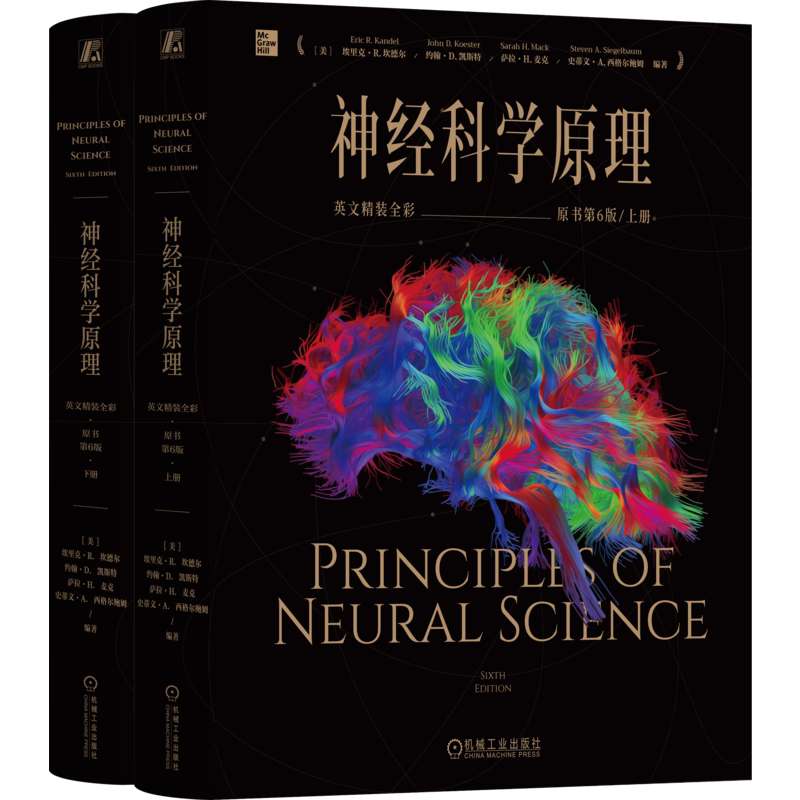
神經科學原理 (英文精裝全彩.原書第6版) (全2冊) (附U盤) 9787111763901 埃里克.R.坎德爾 約翰 的詳細資訊
*書籍均為代購,我們向大陸付款發訂後即無法取消,為避免造成不必要的損失,下訂前請慎重考慮!下訂前請慎重考慮!謝謝。*標題下方 「數量:庫存xx件」 非實際在台庫存*完成訂單後正常情形下約兩周可抵台。本賣場提供之資訊僅供參考,以到貨標的為真實資訊。印行年月:202506*若逾兩年請先於露露通洽詢存貨情況,謝謝。台灣(台北市)在地出版社,每筆交易均開具統一發票,祝您中獎最高1000萬元。書名:神經科學原理 (英文精裝全彩.原書第6版) (全2冊) (附U盤)ISBN:9 出版社:機械工業著編譯者:埃里克.R.坎德爾 約翰.D頁數:1646所在地:中國大陸 *此為代購商品書號:1745657可大量預訂,請先連絡。【台灣高等教育出版社簡體書】 神經科學原理 (英文精裝全彩.原書第6版) (全2冊) (附U盤) 埃里克.R.坎德爾 約翰.D編輯推薦適讀人群 :神經科學領域高年級本科生、研究生、研究者。諾貝爾獎得主坎德爾領銜主編,多位神經科學泰斗級人物共同編著,被業內譽為”神經科學聖經”“神經科學教科書金標準”,是神經科學領域的權wei知識庫。歷經十年,更新到第6版。精裝全彩典藏版。隨書附贈8GB U盤,內含全書近千張彩圖。內容簡介本書被譽為”神經科學聖經”“神經科學教科書金標準”,凝聚了眾多權wei神經科學家的主要、前沿的研究,從神經系統的分子、細胞、解剖結構一直到感覺、運動、認知功能,系統、全面地詮釋了腦是如何控制全身各器官、系統功能以及適應環境的行為的,並展示了人們對各種神經、精神疾病生物科學基礎的新認識。本書為各領域神經科學工作者和學生提供了一份很有價值的指南。對於想要不斷深化對腦、精神意識及行為的理解或想要長期從事”探索腦”的工作的讀者,本書是權wei指導。作者簡介埃裡克 坎德爾(Eric R Kandel)1929年出生於奧地利的維也納,1956年畢業于美國紐約大學,獲醫學博士學位。1983年至今任哥倫比亞大學生物化學與分子生物物理學系教授、霍華休斯醫學研究中心高級研究員。2000年獲諾貝爾生理學或醫學獎。目錄Part IOverall PerspectivePart IICell and Molecular Biology of Cells of the Nervous SystemPart IIISynaptic TransmissionPart IVPerceptionPart VMovementPart VIThe Biology of Emotion, Motivation, and HomeostasisPart VIIDevelopment and the Emergence of BehaviorPart VIIILearning, Memory, Language and CognitionPart VIIILearning, Memory, Language and Cognition前言/序言As in previous editions, the goal of this sixth edition of Principles of Neural Science is to provide readers with insight into how genes, molecules, neurons, and the circuits they form give rise to behavior With the exponential growth in neuroscience research over the 40 years since the first edition of this book, an increasing challenge is to provide a comprehensive overview of the field while remaining true to the original goal of the first edition, which is to elevate imparting basic principles over detailed encyclopedic knowledge Some of the greatest successes in brain science over the past 75 years have been the elucidation of the cell biological and electrophysiological functions of nerve cells, from the initial studies of Hodgkin, Huxley, and Katz on the action potential and synaptic transmission to our modern understanding of the genetic and molecular biophysical bases of these fundamental processes The first three parts of this book de these remarkable achievements The first six chapters in Part I provide an overview of the broad themes of neural science, including the basic anatomical organization of the nervous system and the genetic bases of nervous system function and behavior We have added a new chapter (Chapter 5) to introduce the principles by which neurons participate in neural circuits that per「本資訊為台灣高等 教 育出版社露天 賣 場所有,請前往本社賣場訂購,商用複製必究。」form specific computations of behavioral relevance We conclude by considering how application of modern imaging techniques to the human brain provides a bridge between neuroscience and psychology The next two parts of the book focus on the basic properties of nerve cells, including the generation and conduction of the action potential (Part II) and the electrophysiological and molecular mechanisms of synaptic transmission (Part III) We then consider how the activity of neurons in the peripheral and central nervous systems gives rise to sensation and movement In Part IV, we discuss the various aspects of sensory perception, including how information from the primary organs of sensation is transmitted to the central nervous system and how it Preface is processed there by successive brain regions to generate a sensory percept In Part V, we consider the neural mechanisms underlying movement, beginning with an overview of the field that is followed by a treatment ranging from the properties of skeletal muscle fibers to an analysis of how motor commands issued by the spinal cord are derived from activity in motor cortex and cerebellum We include a new treatment that addresses how the basal ganglia regulate the selection of motor actions and instantiate reinforcement learning (Chapter 38) In the latter parts of the book, we turn to higherlevel cognitive processes, beginning in Part VI with a discussion of the neural mechanisms by which subcortical areas mediate homeostatic control mechanisms, emotions, and motivation, and the influence of these processes on cortical cognitive operations, such as feelings, decision-making, and attention We then consider the development of the nervous system in Part VII, from early embryonic differentiation and the initial establishment of synaptic connections, to their experience-dependent refinement, to the replacement of neurons lost to injury or disease Because learning and memory can be seen as a continuation of synaptic development, we next consider memory, together with language, and include a new chapter on decisionmaking and consciousness (Chapter 56) in Part VIII Finally, in Part IX, we consider the neural mechanisms underlying diseases of the nervous system Since the last edition of this book, the field of neuroscience has continued to rapidly evolve, which is reflected in changes in this edition The continued development of new electrophysiological and light microscopic–based imaging technologies has enabled the simultaneous recording of the activity of large populations of neurons in awake behaving animals These large data sets have given rise to new computational and theoretical approaches to gain insight into how the activity of populations of neurons produce specific behaviors Light microscopic imaging techniques using genetically encoded calcium sensors allow us to record the activity of hundreds or thousands of defined classes of neurons with subcellular resolution as an animal engages in defined behaviors At the same time, the development of genetically encoded light-activated ion channels and ion pumps (termed optogenetics) or genetically engineered receptors activated by synthetic ligands (termed chemogenetics or pharmacogenetics) can be used to selectively activate or silence genetically defined populations of neurons to examine their causal role in such behaviors In addition to including such material in chapters throughout the book, we introduce some of these developments in the new Chapter 5, which considers both the new experimental technologies as well as computational principles by which neural circuits give rise to behavior Over the past 20 years, there has also been an expansion of new technologies that enable noninvasive and invasive recordings from the human brain These studies have narrowed the gap between neuroscience and psychology, as exemplified in the expanded discussion of different forms of human memory in Chapter 52 Noninvasive brain imaging methods have allowed scientists to identify brain areas in humans that are activated during cognitive acts As discussed in a new chapter on the brain–machine interface (Chapter 39), the implantation of electrodes in the brains of patients permits both electrophysiological recordings and local neural stimulation, offering the promise of restoring some function to individuals with damage to the central or peripheral nervous system An understanding of basic and higher-order neural mechanisms is critical not only for our understanding of the normal function of the brain, but also for the insights they afford into a range of inherited and acquired neurological and psychiatric disorders With modern genetic sequencing, it is now clear that inherited or spontaneous mutations in neuronally expressed genes contribute to brain disease At the same time, it is also clear that environmental factors interact with basic genetic mechanisms to influence disease progression We now end the book with a new section, Part IX, which presents the neuroscientific principles underlying disorders of the nervous system In previous editions, many of these chapters were dispersed throughout the book However, we now group these chapters in their own part based on the increasing appreciation that the underlying causes of what appear to be separate diseases, including neurodegenerative diseases, such as Parkinson and Alzheimer disease, and neurodevelopmental disorders, such as schizophrenia and autism, share certain common principles Finally, these chapters emphasize the historical tradition of how studies of brain disease provide deep insights into normal brain function, including memory and consciousness In writing this latest edition, it is our hope and goal that readers will emerge with an appreciation of the achievements of modern neuroscience and the challenges facing future generations of neuroscientists By emphasizing how neuroscientists in the past have devised experimental approaches to resolve fundamental questions and controversies in the field, we hope that this textbook will also encourage readers to think critically and not shy away from questioning received wisdom, for every hard-won truth likely will lead to new and perhaps more profound questions in brain science Thus, it is our hope that this sixth edition of Principles of Neural Science will provide the foundation and motivation for the next generation of neuroscientists to formulate and investigate these questions 詳細資料或其他書籍請至台灣高等教育出版社查詢,查後請於露天露露通告知ISBN或書號,我們即於露天上架。商品備註・物品狀況:全新・最新關注時間:2025-08-19






暢銷商品排行榜





查看此商品的人也看了以下商品
-
 我的商店庫存: 399含稅821元
-
 我的商店庫存: 181含稅5485元
-
 我的商店庫存: 348含稅2148元
-
 我的商店庫存: 264含稅3304元
-
 我的商店庫存: 448含稅4060元
附近賣場的商品




顧客評論
推薦度 5分
目前有 150則評論。